
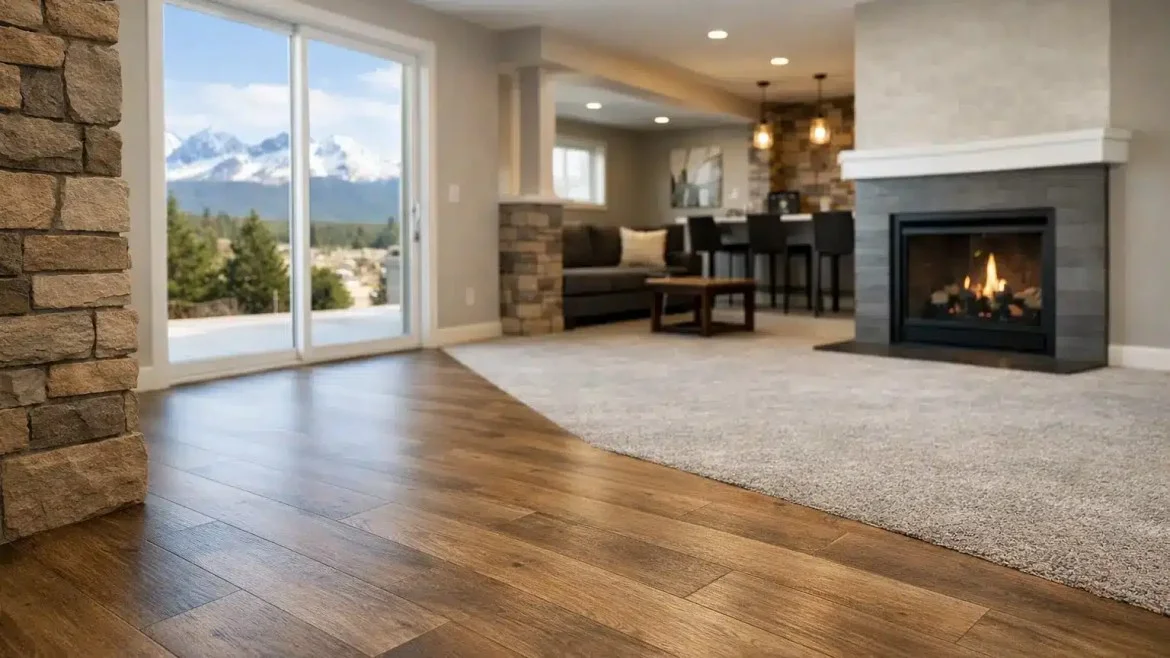
Arvada Local
Best Basement Flooring for Colorado Homes
The right material starts with understanding what's under your slab, not what looks good in a showroom.
Request an estimate
Tell us what you need
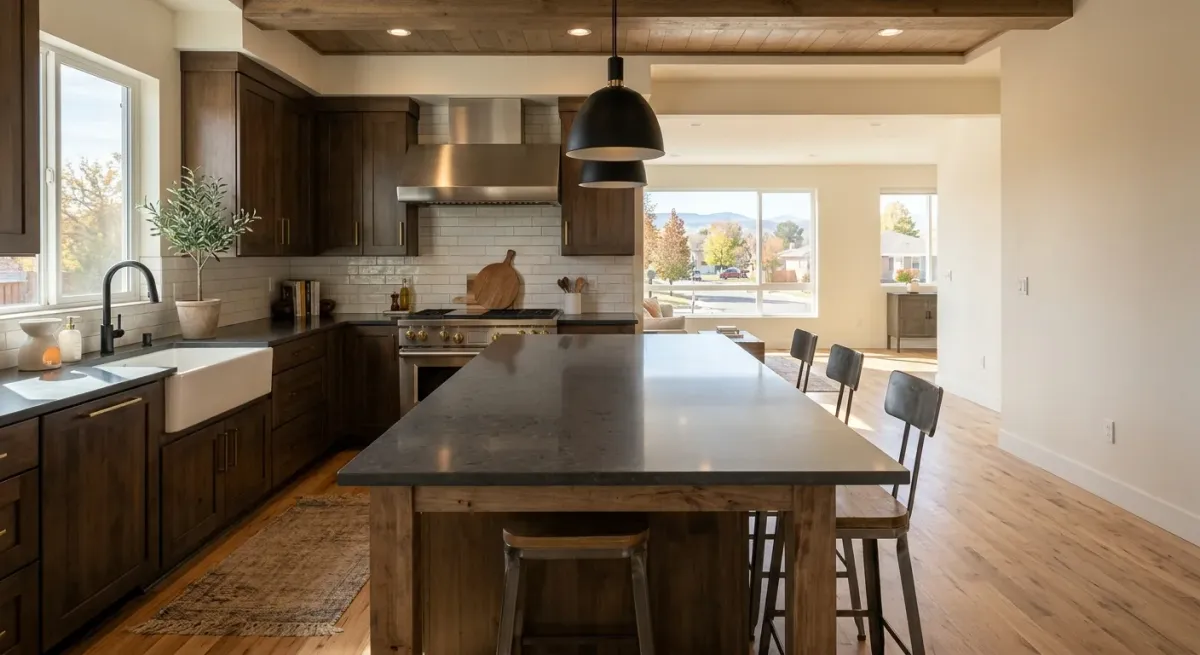
Start With Moisture, Not Material
A basement floor has to handle more than foot traffic in Colorado. It sits over a concrete slab that can feel cold through much of the year, may hold residual moisture, and often serves several purposes at once: family room, guest space, home gym, playroom, office, or storage. Choosing the right flooring for your basement remodeling project starts with the condition of that slab, not the color sample that looks good under showroom lights.
Concrete naturally contains moisture. That does not mean every basement has a water problem, but it does mean a basement should be evaluated differently than an above-grade room. A beautiful floor installed over an unresolved moisture issue can trap odors, encourage mold, or fail prematurely. The goal is a floor that looks finished, feels appropriate for the room, and protects the investment you are making in your home.
Signs of Moisture to Check First
Before selecting any material, evaluate the slab honestly.
Musty Odor
A persistent smell, even in a dry season, points to moisture moving through the slab or walls. Address the source before covering it with flooring.
Efflorescence on Walls
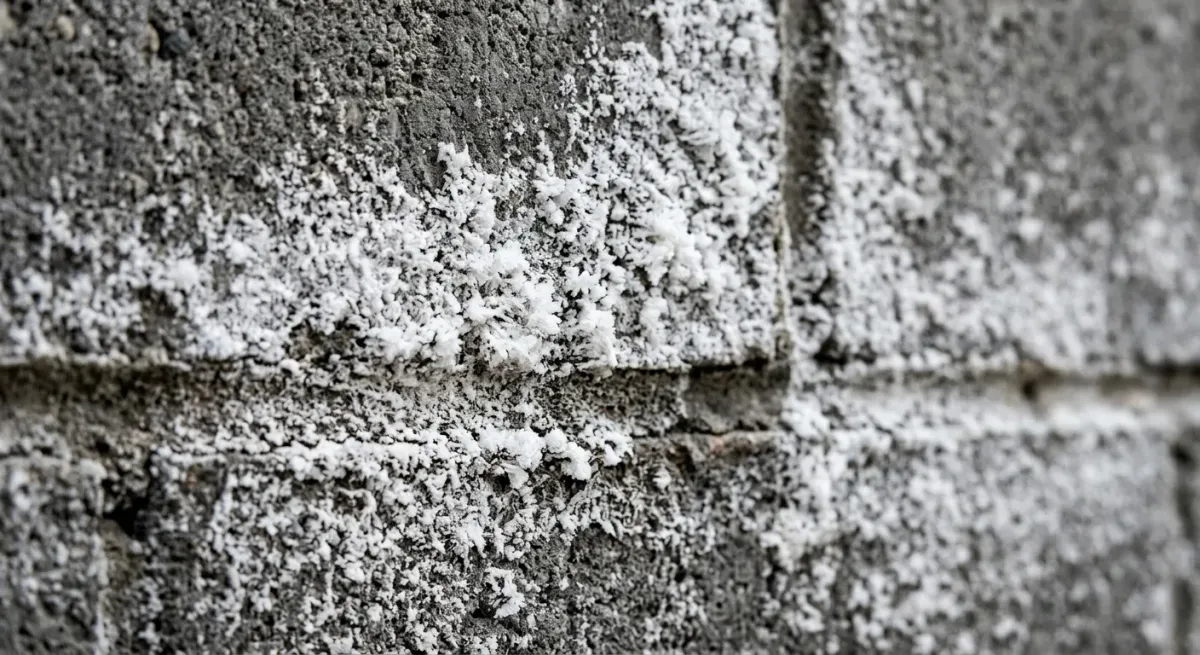
White mineral deposits on concrete walls indicate water has been migrating through the block or poured foundation. A common sign in older Front Range homes.
Dark Spots on the Slab
Discoloration or staining on the concrete floor often signals past seepage or active moisture wicking up from below grade.
History of Flooding
Any prior flooding, even a single incident, changes what flooring options make sense. Carpet and engineered wood carry more risk in spaces with that history.
Dampness After Snowmelt
Spring snowmelt and heavy rain stress the drainage around Denver metro foundations. Dampness that appears seasonally is a drainage issue, not a fluke.
Foundation Cracks
Cracks in the slab or walls may indicate movement. Some are cosmetic; others signal active shifting that needs to be addressed before any finish work begins.
Moisture Testing and What to Do About It
Top Choice
Luxury Vinyl: Most Balanced Option for Front Range Basements
Durable Option
Tile for Wet Areas and High-Traffic Zones

Carpet: Right Room, Right Conditions Only
Engineered Hardwood Requires the Right Conditions
Match the Flooring to How the Space Will Actually Be Used
One basement can serve several purposes. The flooring should follow the function, not the other way around.
Home Gym
Resilient flooring, rubber tile or thick LVP, handles dropped weights and equipment. Avoid thin vinyl or tile without underlayment in this application.
Guest Bedroom
Carpet or LVP with underlayment adds warmth and sound absorption. A dry slab history is required before carpet is considered.
Home Office
LVP or engineered hardwood (in a dry basement) works well. Consider chair mat compatibility if you are installing a floating floor. Our home office design page covers more on planning this space.
Wet Bar or Kitchenette
Porcelain tile is the strongest choice anywhere water is handled regularly. Easy to clean, impervious to spills, and long-lasting with proper installation.
Playroom or Family Room
LVP balances durability, warmth, and easy cleanup. A good wear layer handles rolling toys, furniture legs, and the general abuse a family room takes.
Basement Bathroom
Tile only. There is no competing material for a bathroom floor below grade. Proper waterproofing of the substrate matters as much as the tile itself.
Mixing Materials Across Zones
Subfloor Preparation Determines Long-Term Performance
The most attractive floor can only perform as well as the surface beneath it.
Cleaning
Old adhesive, paint, and debris must be removed before any new flooring system goes down. Contamination affects adhesion and can cause moisture to become trapped.
Leveling
Low spots and high spots both create problems. Self-leveling compound addresses low areas; grinding handles high spots and ridges in the slab.
Crack Repair
Surface cracks should be filled. Active cracks, those showing movement, may require an uncoupling membrane or structural assessment before flooring is installed.
Moisture Testing
Calcium chloride or in-situ RH testing determines whether vapor protection is needed and what type. This step is not optional in Colorado basements.
Vapor Protection
Depending on test results, a vapor barrier, moisture-resistant underlayment, or full epoxy sealant may be required before any finish flooring is laid.
Removal of Old Material
Existing glue-down tile, damaged flooring, or failed coatings must be fully removed. Floating new material over a failed substrate shortens the life of the new installation.
Ready to Plan Your Basement Floor?
Remodel Pro Colorado has handled basement finishing across Arvada, Westminster, Wheat Ridge, and the broader Denver metro for over 17 years.
Next step
Tell us about the job
Your name, your number and what needs doing. A person from Remodel Pro Colorado gets back to you.
Rather talk now?(720) 819-5919