
Mon–Fri: 9 AM–5 PM · Sat–Sun: Closed Arvada (720) 819-5919
Remodel Pro Colorado
Tile Installation in Arvada, CO

Arvada Local

Tile Installation in Arvada, CO

Veteran-owned craftsmanship across bathrooms, kitchens, floors, and outdoor spaces.

Request an estimate

Tell us what you need

No obligation


By submitting this form you agree that we may contact you about your request and share your name and email address with partner companies for email marketing. We never share your mobile number or text message consent with third parties or affiliates for marketing or promotional purposes.

A spa-like master bathroom remodel featuring a soaking tub with tile surround, walk-in shower with glass enclosure, and travertine finishes throughout.

Arvada Tile Installation, Surface to Surface

Remodel Pro Colorado handles tile installation in Arvada for bathrooms, kitchens, floors, accent walls, and outdoor spaces, and has done so for over 17 years. Owner Tim Overhultz brings the same precision to a 20-square-foot backsplash as to a full shower surround: proper substrate prep, correct thinset selection, tight layout planning, and grout work that won't crack out in two seasons. If your tile work is failing or your space just needs a fresh start, call (720) 819-5919 for an honest, upfront estimate.

Most tile installations take 2 to 5 days depending on square footage, substrate condition, and pattern complexity. A simple floor in a standard bathroom runs faster than a 24x24 format shower with a niche, bench, and linear drain. What drives cost up: large-format tile requiring back-buttering and extra thinset coverage, natural stone that needs sealing and careful cutting, older Arvada homes with subfloors that need leveling before a single tile goes down, and intricate patterns like herringbone or offset staggered layouts. What drives it down: straightforward grid patterns, solid substrates in good condition, and standard ceramic or porcelain on flat floors. Every job is different, contact Remodel Pro Colorado for an accurate estimate.

Where Tile Work Goes Wrong

Bad tile isn't just ugly. It fails fast and costs more to fix than to do right.

Skipped Substrate Prep

Arvada's older homes often have subfloors that flex slightly underfoot. Tile laid over a soft or uneven substrate cracks at the grout lines within a year. We level and stabilize before anything goes down.

Wrong Thinset for the Tile Size

Large-format tile, especially 12x24 and bigger, needs a medium-bed or large-format thinset with back-buttering on both the tile and the substrate. Standard thinset at standard thickness leaves hollow spots that crack under load.

Missing Moisture Barrier

Colorado's dry climate fools people into skipping waterproofing in wet areas. Temperature swings and humidity cycles still push moisture behind tile over time. We apply membrane waterproofing on shower walls and bathroom floors regardless of climate.

Pattern Planning Ignored

A 12x24 tile laid in a 50% offset stagger creates more lippage than a 33% or 25% offset on most substrates. We plan the layout before the first tile sets so cuts land correctly and patterns stay level across the room.

Wrong Grout Gap

Rectified tile can go as tight as 1/16" spacing, but most porcelain and natural stone benefits from 1/8" to 3/16" depending on the material. We select the right spacer for the tile so grout lines are consistent and structurally sound.

What We Install

Tile Services Across Every Room

One contractor, 17 years of experience across every tile application in the home.
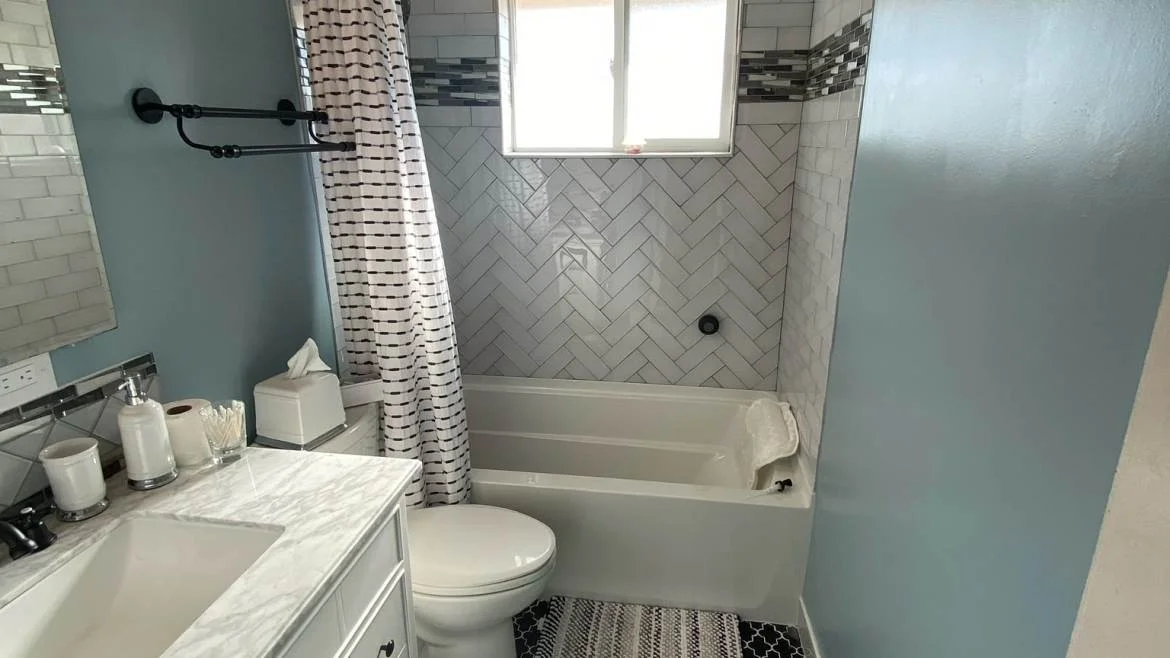
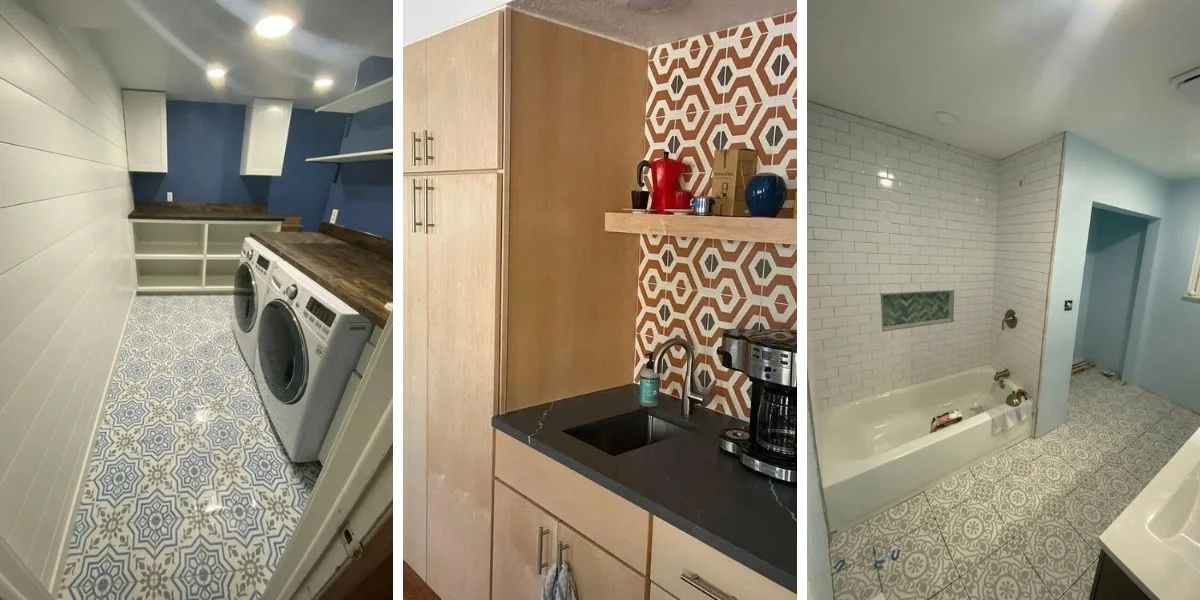
Bathroom Tile project by Remodel Pro Colorado

Bathroom Tile

Shower surrounds, floor tile, niche work, and wall accents. Slip-resistant finishes on wet floors, waterproofing under every wet surface. See how this pairs with our custom shower installation for a full bathroom transformation.
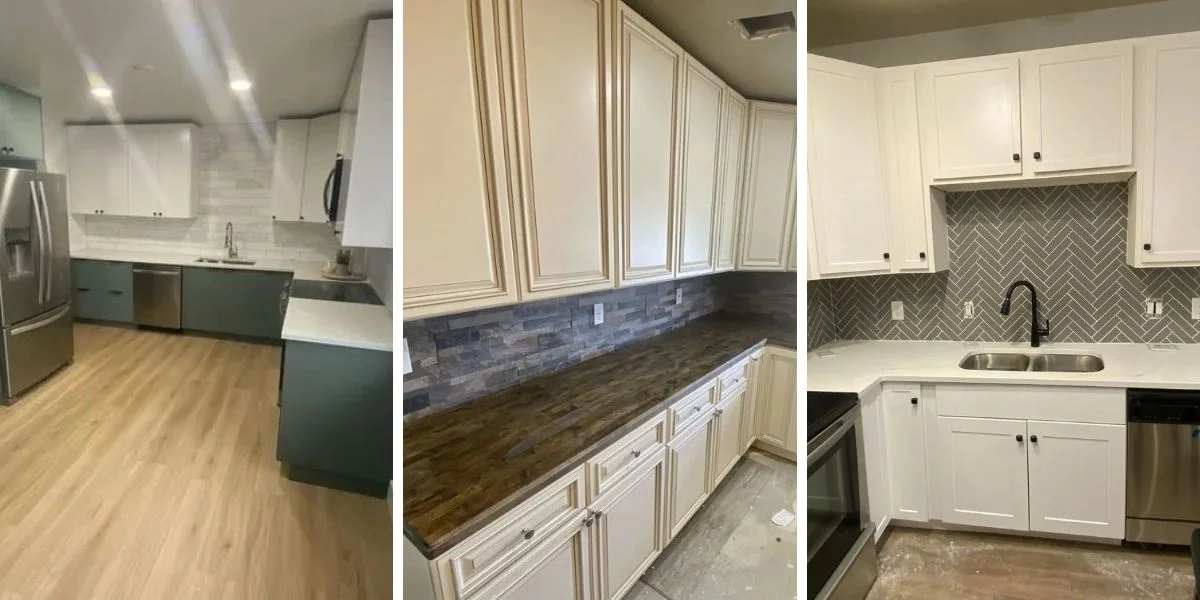
Kitchen cabinetry, countertops, and backsplash installed in a residential kitchen remodel across three different angles showing white shaker cabinets with herringbone tile backsplash and dark wood countertops.

Kitchen Backsplash

Subway tile, mosaic patterns, large-format stone, hand-painted ceramics. Installed level and plumb so it complements your cabinets and countertops without fighting them. Works naturally alongside a kitchen remodel for a cohesive finish.

Floor Tile

Porcelain, ceramic, natural stone, and glass tile on floors throughout the home. High-traffic areas get properly selected materials rated for the wear load. Pairs well with a broader interior remodeling project if you're updating multiple rooms.

Outdoor Tile and Patio Surfaces project by Remodel Pro Colorado

Outdoor Tile and Patio Surfaces

Weather-rated tile for patios, walkways, and pool surrounds. Colorado's freeze-thaw cycles demand frost-resistant materials installed with appropriate expansion joints. Pairs directly with patio construction if you're building the surface from scratch.

Process

How a Tile Installation Works

  1. 01

    Substrate Assessment and Prep

    Old material is removed. The substrate is checked for flex, damage, and levelness. Floors are floated if needed. Moisture membrane goes down in wet areas before anything else.

  2. 02

    Layout, Cutting, and Setting

    Tile layout is planned from the room's center or focal point, not the wall, so cuts are symmetrical. Thinset is selected for the tile size and substrate type. Each tile is set, back-buttered where required, and checked for lippage as we go.

  3. 03

    Grouting, Sealing, and Cleanup

    Grout is mixed and applied at the correct consistency. Natural stone and unglazed tile get sealed. The finished surface is cleaned, joints are inspected, and you don't see us again unless you call.
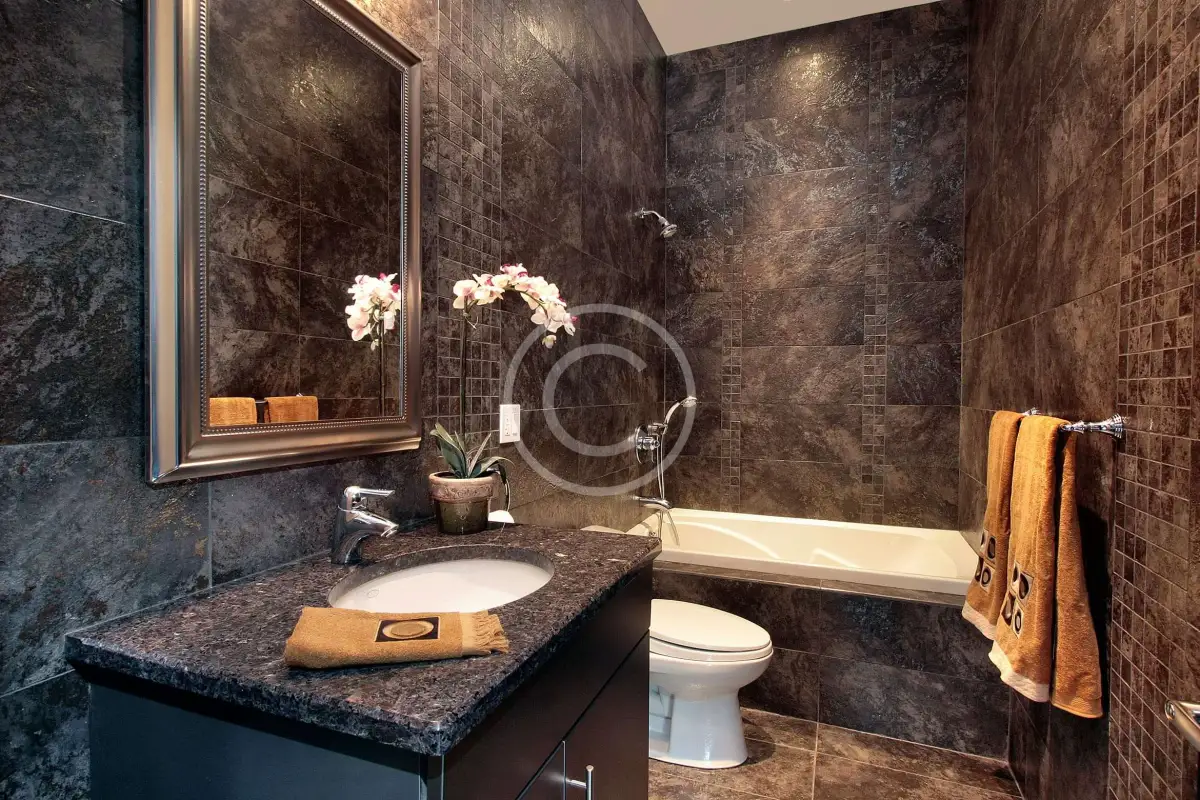
Bathroom remodel featuring dark slate tile walls, granite countertops, and updated fixtures in a residential bathroom.

Materials: Ceramic, Porcelain, and Natural Stone

Ceramic tile is the most affordable and works well in lower-traffic areas or on walls. Porcelain is denser, absorbs less water, and handles Colorado's temperature swings better on floors. Natural stone, including travertine, marble, and slate, requires sealing and more careful installation but delivers a finish no ceramic can replicate. Glass and mosaic tile work well as accents but need specific thinset and grout compatibility. We don't steer you toward the most expensive material. We'll tell you what actually holds up in the application you're describing and let you choose from there. That's the honest approach Tim has run for 17 years across Arvada and the surrounding Denver metro. For projects that go beyond tile, like a full bathroom refresh or a bathtub to shower conversion, the tile work integrates with everything else rather than being treated as a separate scope. That matters for waterproofing continuity, grout line alignment, and the finished look.

Our standard

What This Work Looks Like in Arvada Homes

17 years in Arvada means we've seen what this market's housing stock actually throws at a tile installer.

Tim OverhultzOwner, Remodel Pro Colorado

  • Older subfloors that need leveling

    Pre-1980s homes in Lake Arbor and Ralston Hills often have subfloors that require floating before tile can go down without cracking.

  • Colorado freeze-thaw demands rated materials

    Outdoor tile must carry a freeze-thaw rating or it won't survive its first winter. We don't substitute interior-rated tile on exterior applications.

  • Upfront pricing, zero hidden fees

    The estimate Tim gives you covers the full scope. No surprises added after demo reveals what's underneath.

  • 4.8 stars across 20 Google reviews

    Verified by real Arvada and Westminster homeowners, not curated testimonials.

Tile Work Questions, Answered Directly

What pattern should 12x24 tile be laid in?
For 12x24 floor tile, a 33% offset stagger is the most reliable choice on typical residential substrates. A 50% offset looks clean on paper but creates more lippage risk when the substrate isn't perfectly flat. Grid patterns work well in modern spaces and are the most forgiving for DIY-adjacent applications. Herringbone adds visual interest but requires more cuts and more precise layout time. We'll recommend the pattern that fits both your aesthetic and your substrate condition.
What is the recommended grout gap for 12x24 tile?
For rectified 12x24 porcelain, 1/16" to 1/8" spacers produce a tight, modern joint. For non-rectified tile with slight size variation, 3/16" gives enough room to keep lines visually consistent. Natural stone at this format generally calls for 1/8" to allow for the material's natural irregularity. Grout gap isn't just aesthetic, too tight on the wrong tile and the joint cracks; too wide and it collects debris and looks dated.
What thickness thinset should I use for 12x24 tile?
Large-format tile needs a medium-bed mortar or large-format thinset, typically applied at 3/16" to 1/4" on the substrate, plus back-buttering the tile itself. Standard thinset applied thin doesn't achieve the full-coverage bond required by tile industry standards. Hollow spots under large-format tile crack the tile or the grout line under normal foot traffic. We select thinset by tile size, weight, and substrate type, not by what's on the shelf.
How does Colorado's climate affect tile installation and longevity?
Colorado's low humidity accelerates grout drying, which sounds like a benefit but can cause shrinkage cracking if the mix isn't managed correctly. Temperature swings between seasons stress grout joints and sealants more than in moderate climates. Outdoor tile requires frost-rated material and proper expansion joints so the surface can move without cracking. We factor all of this into material selection and installation method, not as an afterthought.
How long does tile installation take from start to finish?
Most residential tile projects run 2 to 5 days. A standard bathroom floor and shower surround in good substrate condition takes 2 to 3 days. A full kitchen backsplash in a straight pattern can be done in a day. Large-format tile in multiple rooms, natural stone requiring sealing between coats, or significant substrate repair will push toward the longer end. During your estimate, Tim gives you a specific timeline so you can plan the disruption.
What preparation happens before the tile goes down?
Demo comes first if the old surface needs to come out. Then the substrate is inspected for soft spots, flex, and level. Floors that aren't flat get floated or shimmed. In wet areas, waterproofing membrane is applied and allowed to cure before any tile sets. Skipping prep is the number one reason tile installations fail early. We don't skip it, and we won't tell you it's optional to cut time off the estimate.
What is the difference between ceramic, porcelain, and natural stone for different rooms?
Ceramic is porous, affordable, and best suited for walls and low-traffic dry floors. Porcelain is denser, nearly non-porous, and rated for wet floors, high traffic, and outdoor use in most climates. Natural stone, including marble, travertine, and slate, is the most distinctive option but requires sealing on installation and periodically after. The right material depends on the application, the traffic, and the maintenance level you're comfortable with. We'll give you a straight answer on what holds up where.
What thickness thinset should be used for 12x24 tile?
Large-format tile requires a medium-bed mortar or large-format thinset, typically 3/16" to 1/4" on the substrate, plus back-buttering the tile face. Standard thinset applied thin doesn't achieve the full-coverage bond the tile industry requires. Hollow spots under large-format tile crack the tile or grout joint under normal foot traffic. Thinset selection depends on tile size, weight, and substrate type.
How does Colorado's climate affect tile longevity?
Colorado's low humidity can cause grout to dry too fast, leading to shrinkage cracking if the mix isn't managed during installation. Seasonal temperature swings stress grout joints and sealants more than in moderate climates. Outdoor tile must carry a freeze-thaw rating and include expansion joints to handle movement. We factor climate into material selection and installation method on every project.
What preparation is needed before tile installation?
Old surfaces come off first if needed. The substrate gets inspected for flex, soft spots, and level. Floors that aren't flat are floated before tile sets. In wet areas, waterproofing membrane is applied and cured before the first tile goes down. Skipping substrate prep is the main reason tile installations fail early, and we won't skip it to shorten the estimate.
How long does a residential tile installation typically take?
Most jobs run 2 to 5 days. A standard bathroom floor and shower surround in good substrate condition takes 2 to 3 days. A kitchen backsplash in a straight pattern can be done in a day. Large-format tile in multiple rooms, natural stone requiring sealing between coats, or significant substrate repair pushes toward the longer end. Tim gives you a specific timeline during the estimate.
What is the difference between ceramic, porcelain, and natural stone tile?
Ceramic is porous and best for walls and low-traffic dry areas. Porcelain is denser, nearly non-porous, and appropriate for wet floors, high traffic, and outdoor use. Natural stone, including marble, travertine, and slate, delivers the most distinctive look but needs sealing at installation and periodically after. The right material depends on the application, traffic level, and how much maintenance you want to do.

See the Work

Ready to Plan Your Tile Project?

Related

Next step

Tell us about the job

Your name, your number and what needs doing. A person from Remodel Pro Colorado gets back to you.

Rather talk now?(720) 819-5919

No obligation


By submitting this form you agree that we may contact you about your request and share your name and email address with partner companies for email marketing. We never share your mobile number or text message consent with third parties or affiliates for marketing or promotional purposes.